
 |  |  |
|---|---|---|
 |
Kindergarten 2
Maple
Welcome to Kindergarten 2 Maple Page
Hi parents, I am the form teacher of the Kindergarten 2 children in The Learning Tree. Teacher Shih Min.
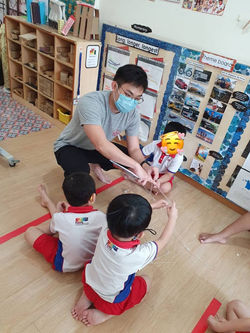
I am a qualified L2 teacher with 5 years of teaching experience. I like to incorporate humor into my lessons. You can see how fun my lessons are below!
Feel free to contact me at pohsm@thelearningtree.com. Or you can find my LinkedIn account below as well!

Kindergarten 2 Timetable

Overview of K2 Term
Term 1: Healthy Living
In this term, children learn more about the healthy plate and how beneficial different types of nutrients are. Some activity include making our own lunch using the healthy plate and making our own drinks!
Click on the images for a better view.
 |  |  |
|---|---|---|
 |
Term 2: My Singapore
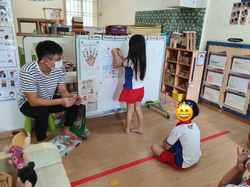
In this term, children learn more about the places in Singapore and how Singapore was built. Children also celebrated our National Day during this term. They play games, sing and more.
Click on the images for a better view.
 |  |  |
|---|---|---|
 |
Term 3: Occupations
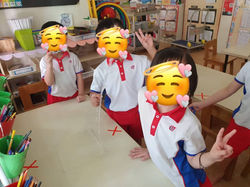
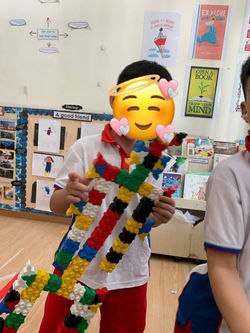
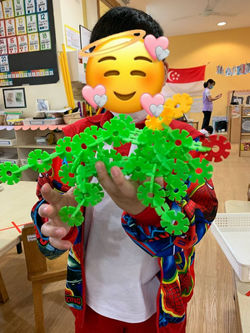
This term children learn about the different types of occupations. We all became architect and complete to build the tallest tower. Some children were also seen imitating other occupations during their free play!
Click on the images for a better view.
 |  |  |
|---|---|---|
 |  |  |

Term 3 Lesson Overview
In this lesson children learn about:
1. What is the job of an architect
2. What are the requirement to build a building
3. Coming up with short sentences using high frequency words
Lesson Objectives
1. Children will be able to read high frequency words
2. Work in groups to create the tallest tower using straws and tape.
Teacher Shih Min's K2 Lesson: Being an architect
Teaching Techniques Used
Questioning
Questioning is a process that gains new information to increase the understanding of something or to compare our understanding with those of other people. (MacNaughton, & Williams, 2009).
In this lesson, I used different types of questions to allow thinking to occur and allowing children to gain a deeper understanding of what is being taught. Some questions include open-ended questions such as “What if I build my house like this?”. (6:10 - 6:50). This question was asked to allow a discussion to occur within peers. This will not only build on cognitive thinking by social-emotional skills as well.
Another question I asked was a choice question. The question was “Where would you normally place your blocks? On the floor, table or a water bottle?” (5:30 - 5:56). This question allowed me to compare the understanding of all the students in my class. Giving me an idea on which children might need more help later during the activity. This question also allows children to compare their understanding with each other.
Scaffolding
Scaffolding is the process of providing temporary guidance and support to children moving from one level of competence to another. (MacNaughton, & Williams, 2009).
During the lesson, it is observable of the 6 steps of scaffolding. And during the scaffolding process, I had different aims. Some include shaping a child’s understanding by providing verbal feedback such as “Good job.” And “you need to pinch it first then…”. (9:05 - 10:18). I also modelled the correct way/ method to link up straws to children allowing them to follow after me.
Questioning
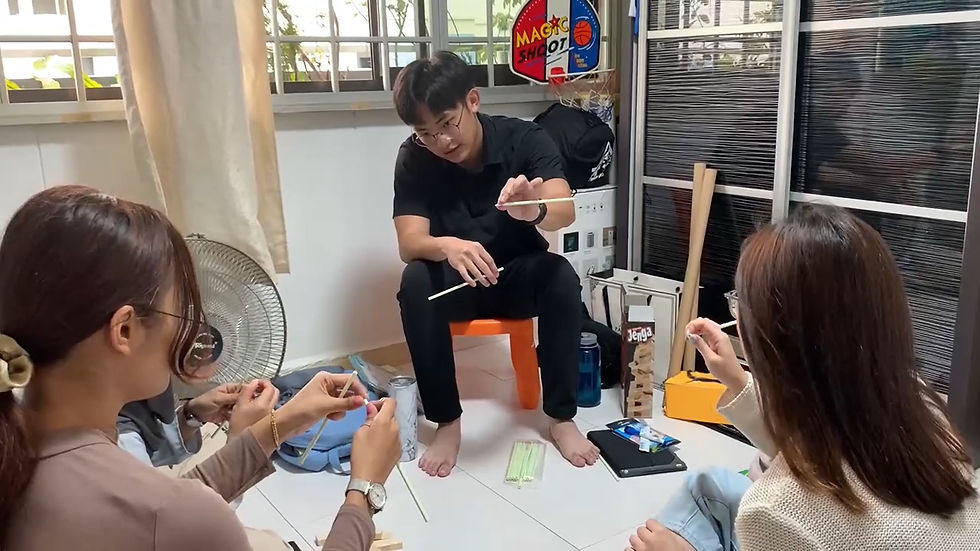
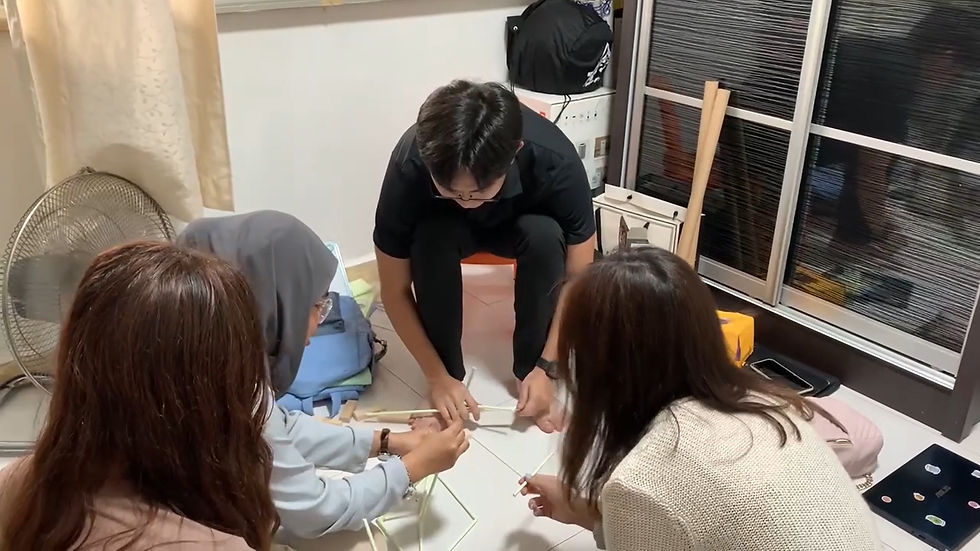
I asked open-ended questions to allow interaction between children, at the same time allowing me to gain information on what is the information my students know.


Scaffolding
I used the 6 step process of scaffolding to guide children in acquiring new knowledge. These pictures shows the different steps of scaffolding.